House Remodeling Made Easy: A Comprehensive Tutorial for Property Owners
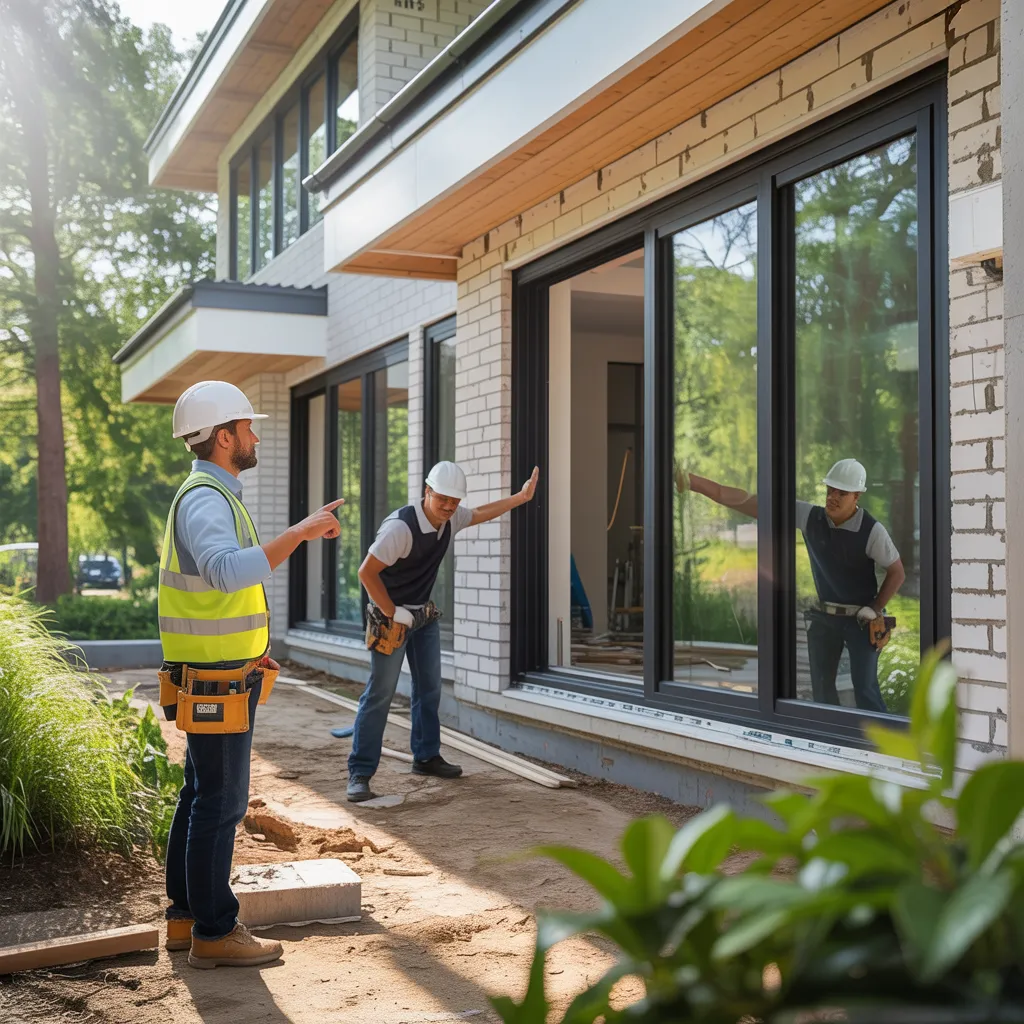
Home renovation can be an challenging task for many homeowners. Recognizing one's needs and establishing realistic goals is vital. An structured approach can make the process smoother and more effective. This guide offers valuable insights into budgeting, design, and selecting the right materials. Homeowners may find themselves contemplating the best methods for addressing these challenges. What essential steps should they evaluate to guarantee a successful update of their living spaces?
Determining Your Requirements and Targets
When evaluating their wants and objectives for home renovation work, homeowners often wonder where to get started. The first step involves a extensive examination of their current living situation and desired outcomes. Homeowners should reflect on specific areas that require improvement, such as aging kitchens, poor storage solutions, or inadequate living space. Detecting these matters can help prioritize projects based on pressing need and obligation.
Furthermore, homeowners should consider their future objectives. Are they looking to improve comfort, increase property value, or create a more efficient space for family gatherings? Understanding these aims will guide the remodeling process and guarantee that the end result aligns with their goals.
In addition, soliciting feedback from family members can be useful, as different perspectives may reveal additional requirements or desires. By taking effort to evaluate their goals and needs, homeowners can establish a solid foundation for a successful renovation undertaking.
Setting a Practical Budget
Creating a realistic budget is critical for a prosperous remodeling project. Homeowners should start by estimating project costs, considering materials, labor, and design elements. Additionally, setting aside contingency funds can assist handle unexpected expenses that may arise during the remodeling process.
Evaluate Undertaking Expenditures
A thorough understanding of project costs is crucial for property owners beginning a renovation project. To precisely calculate costs, they should take into account factors such as materials, labor, permits, and unexpected problems. Investigating local market rates for supplies and engaging professionals can provide a clearer budget overview. Homeowners should also account for the scope and intricacy of the undertaking, as these elements significantly impact expenses. Creating a detailed list of required materials and services will help in gathering estimates. It is recommended to obtain multiple quotes from contractors to guarantee competitive pricing. By setting a precise budget
Set aside emergency funds
Assessing project costs establishes the foundation for sound budgeting, but property owners must also take into account unforeseen costs that may occur during a renovation undertaking. A common recommendation is to set aside a reserve fund, typically ranging from 10% to 20% of the total budget. This allocation functions as a financial buffer, allowing homeowners to address unexpected problems such as structural repairs or cost escalations without disrupting the whole undertaking. By preparing for these potential costs in advance, property owners can maintain greater control over their finances and decrease anxiety throughout the remodeling process. Ultimately, a well-prepared budget that includes contingency funds improves the probability of a successful and satisfying renovation experience.
Planning Your Area
How can homeowners effectively design their space to reflect their individual aesthetic while optimizing practicality? To accomplish this goal, they should start with evaluating their needs and lifestyle. Comprehending how each room will be used directs the overall arrangement and flow. Homeowners might think about establishing areas for various uses, ensuring that high-traffic areas stay unobstructed and reachable.
Incorporating elements that showcase personal taste, such as color palettes, furniture styles, and design elements, allows for a distinctive presentation without sacrificing practicality. Additionally, utilizing multifunctional furniture can improve spatial optimization, especially in compact spaces.
Natural light serves as another vital aspect; optimizing natural windows or using reflective surfaces like mirrors can foster a more charming feeling. As a final point, residents should address proportion and scale, verifying that furnishings work harmoniously with the space's dimensions while maintaining an neat look. Via joining visual appeal with intentional design, residents are able to forge a cohesive living space adapted for their desires.

Determining Materials and Finishes
When selecting materials and finishes, property owners should prioritize both aesthetic attractiveness and durability to guarantee their choices withstand the test of time. The selection process starts with grasping the intended aesthetic of the space, as various materials can create varied atmospheres. For example, wood can deliver warmth, professional advice while contemporary metal finishes may give a modern edge.
Home buyers should also reflect on the servicing demands of each product. Some finishes may demand more attention than others, shaping long-term fulfillment. Additionally, financial restrictions serve as a vital factor; going with superior yet budget-friendly options can deliver sustained worth.
Sustainability is growing increasingly critical, encouraging many to select environmentally conscious materials that minimize environmental impact. Finally, homeowners should gather samples to picture how chosen materials will work with lighting and existing elements in the space. This hands-on approach aids in making well-considered choices that align with both personal style and practical needs.
Selecting the Best Specialists
When hiring professionals for home remodeling, homeowners must thoroughly evaluate their qualifications and experience to guarantee quality work. Additionally, comparing cost estimates from various service providers can help in determining budget-conscious choices. These steps are essential in locating appropriate skills for a successful remodeling project.
Assessing Abilities and Experience
Choosing the suitable professionals for a home renovation project demands careful consideration of their credentials and expertise. Homeowners should begin by verifying qualifications, ensuring that contractors have the necessary permits and certifications pertinent to the project. Additionally, reviewing a collection of past work can provide insight into a contractor's style and level of craftsmanship. It is also beneficial to request testimonials from previous clients to gauge contentment and reliability. Experience in particular types of remodeling, such as kitchen or bathroom renovations, can be vital; experts often have the advanced abilities required for complex tasks. Ultimately, a thorough assessment of credentials and experience will help homeowners choose professionals who can effectively implement their vision while conforming to industry standards.
Evaluating Price Quotations With Precision
Determining cost quotes represents a key element in the selection process for residential remodeling projects. Homeowners need to procure estimates from multiple contractors to guarantee a comprehensive comparison. Each bid should present labor, materials, and any ancillary expenses, allowing for a accurate side-by-side examination. It is vital to review the overall investment alongside the breadth of work part of each bid. Homeowners must stay alert to substantially reduced proposals, since they may reveal mediocre standards or hidden costs. Conversing with contractors about their proposals can offer understanding of their process and transparency. At the conclusion, selecting a contractor should balance expense and the caliber of skilled craftsmanship, fostering a fulfilling renovation experience.
Discovering the Redesign Timeline
Although the remodeling process can seem intimidating, homeowners can manage it successfully by following a several important steps. Initially, they should establish a clear vision of their undertaking, detailing intended results and specific features. Subsequently, developing a practical financial plan is crucial, taking into account materials, labor, and unexpected costs. Investigating and selecting reputable contractors can also make a substantial impact; homeowners should seek recommendations and review reviews before making a decision.
Once a contractor is assigned, effective communication is crucial. Homeowners should talk about timelines, project scope, and any concerns upfront to avoid misunderstandings. During the remodeling phase, frequent touchpoints with the contractor will help ensure that the project stays on track and adheres to the agreed-upon plan. Finally, being flexible with modifications, whether due to unexpected issues or new ideas, can enhance the overall experience, leading to a successful and satisfying remodeling outcome.
Often Asked Inquiries
How Much Time Does a Standard Home Renovation Project Take?
A typical home renovation undertaking generally takes anywhere from a few weeks to several months, depending on the scope of work, home dimensions, and any unexpected issues that may arise during the project.
What Licenses Do You Require for Home Remodeling?
Renovation of a home typically demands multiple permits, including building, electrical, plumbing, and zoning permits. The exact specifications depend on local regulations and the extent of work, ensuring compliance with safety and construction standards during renovations.
How Can I Minimize Interruptions During Renovation?
To decrease complications during construction, one should create a well-defined timeline, communicate with construction professionals, set up particular work sections, and inform residents about schedules. This coordination enables maintain daily rhythm and reduces tension throughout the project.
What Ought to I Do if I Go Over My Spending Plan?
If a budget is overrun, he should examine the factors, prioritize necessary adjustments, and examine cost reduction opportunities. Transparent communication with contractors and seeking alternative materials can also help bring finances into alignment with project goals.
How Can I Guarantee Quality Craftsmanship?
One should seek out and hire dependable contractors, check references, review past projects, and establish clear communication about expectations, timelines, and materials to guarantee superior workmanship. Consistently reviewing progress also helps copyright high standards throughout the project.